
Uncategorized
The Future of Infrastructure: Why Multidisciplinary Engineering is the Key to Tanzania’s Growth
Tanzania is undergoing an unprecedented infrastructural transformation. From the expansion of major highways and structural developments in Dar es Salaam to the extension of rural telecommunications and green energy grids across the country, our national landscape is evolving daily.
However, as projects grow larger and more complex, traditional development models are hitting a bottleneck. For decades, developers and project owners have relied on fragmented outsourcing—hiring one contractor for civil excavations, another for electrical wiring, and a separate vendor for ICT or structural mechanics.
At Sparks Builders Ltd, we believe the future of efficient development lies in multidisciplinary engineering. Here is why an integrated approach is critical to successfully executing your next major project.
1. Eliminating the Subcontractor Communication Gap
When civil, electrical, and mechanical engineering teams operate as separate entities under different contracts, vital project details frequently fall through the cracks. For example, a civil team might lay concrete foundations without a precise understanding of the weight distribution required by the mechanical plant systems coming in later.
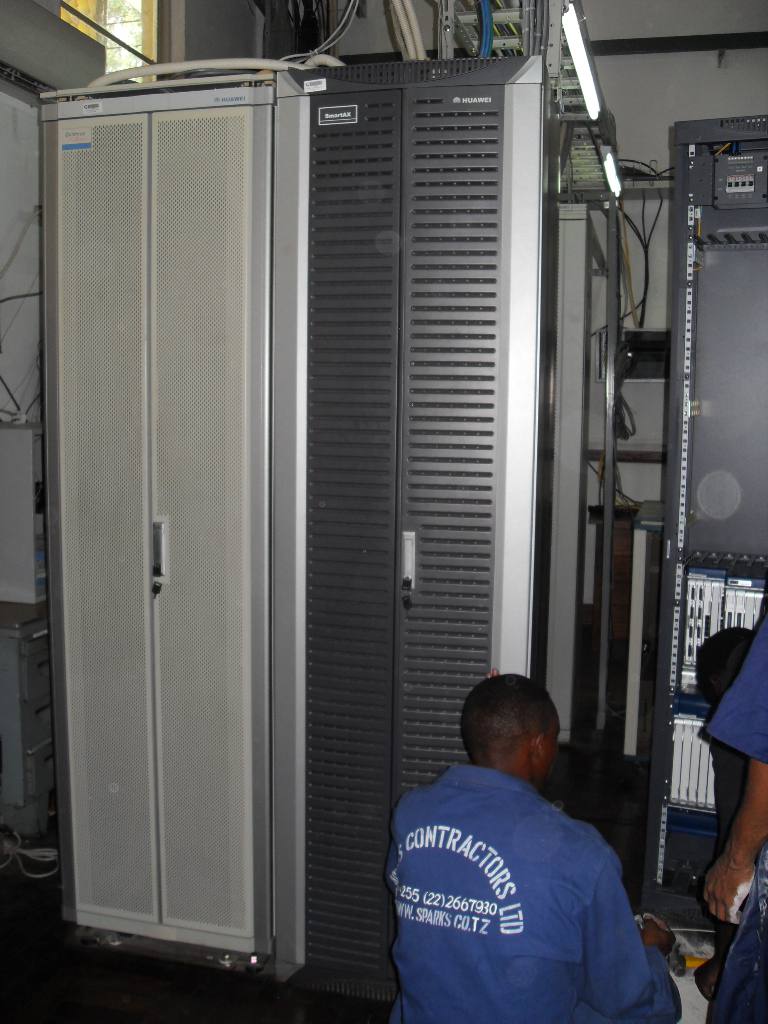
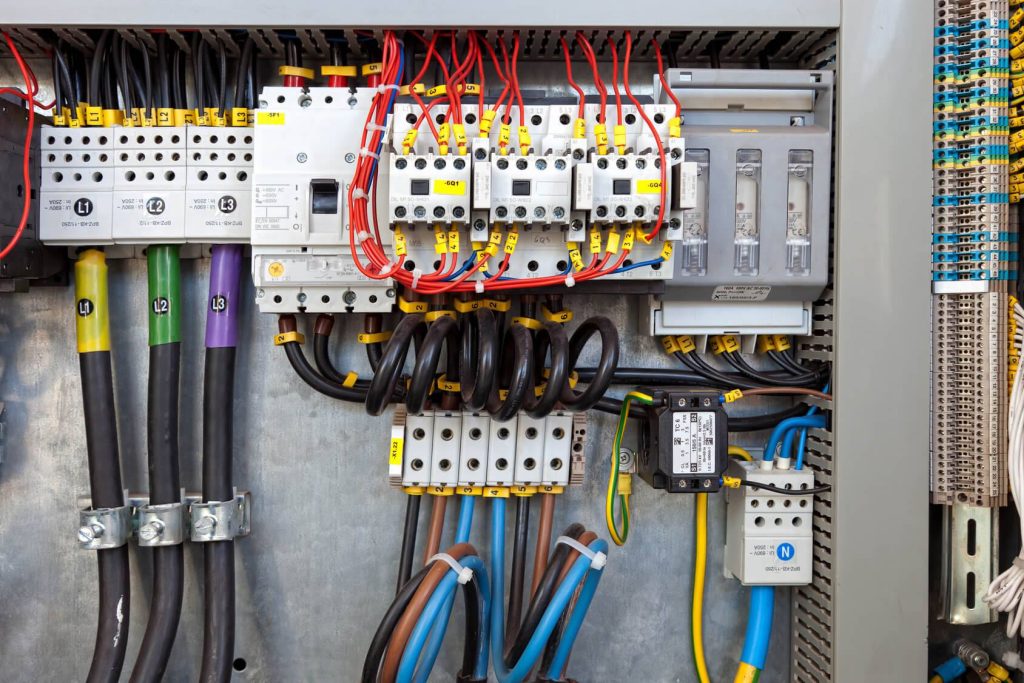
By uniting all major disciplines—Civil, Electrical, Mechanical, Telecom, and Logistics—under a single management framework, data flows seamlessly. Design modifications made by one engineering branch are instantly communicated to and integrated by the others, mitigating costly structural revisions down the line.
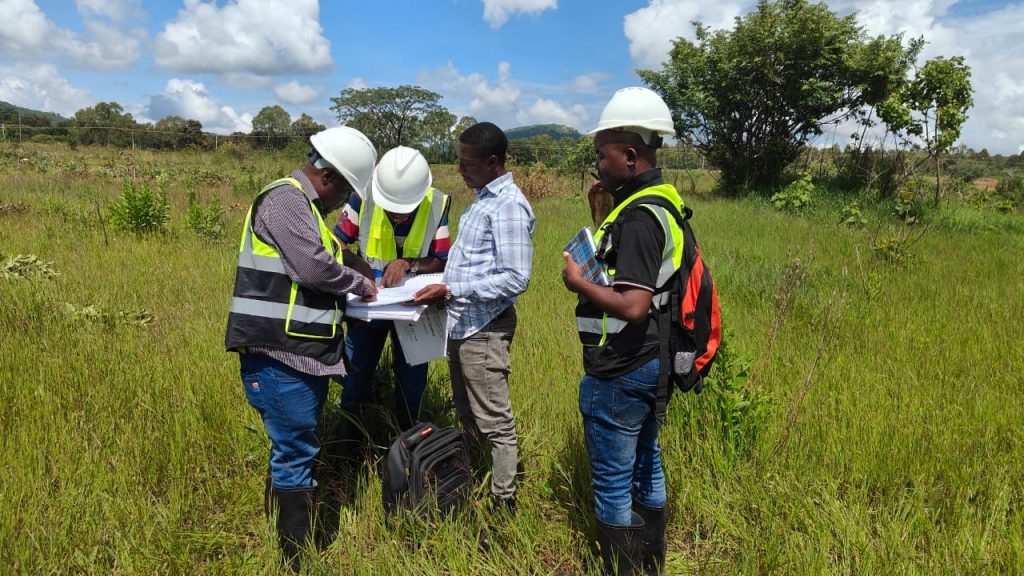
2. Streamlined Logistics and Project Timelines
Navigating the supply chains and physical geography of Tanzania presents unique logistical hurdles, particularly when moving heavy components into rural or interior regions.
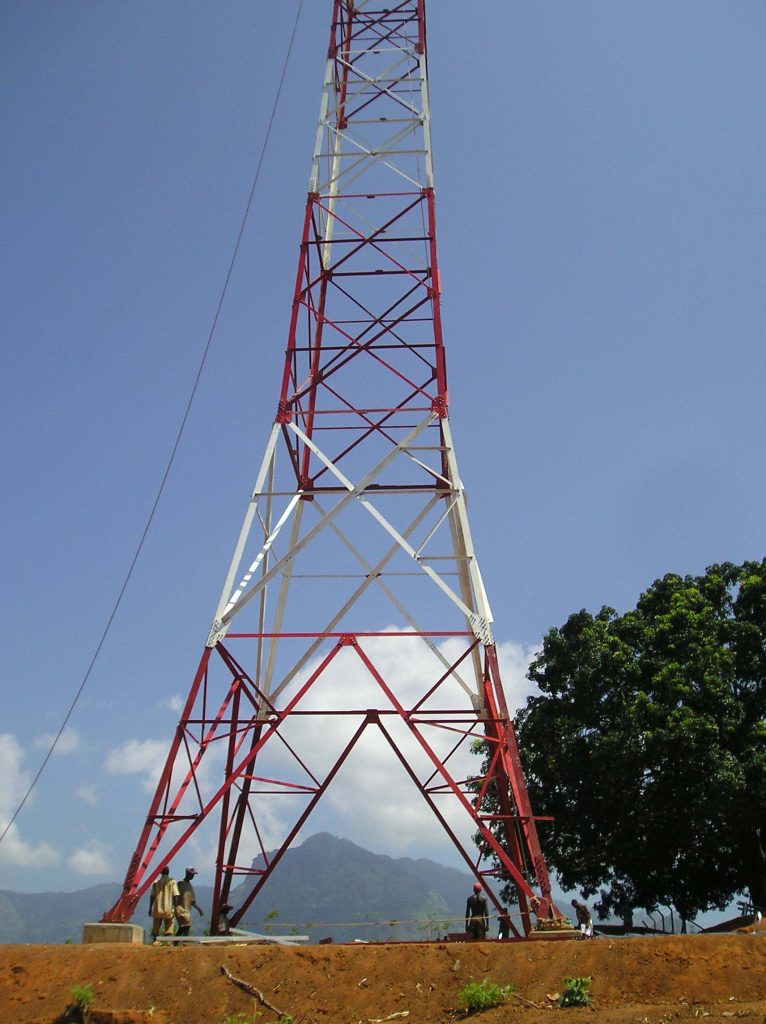
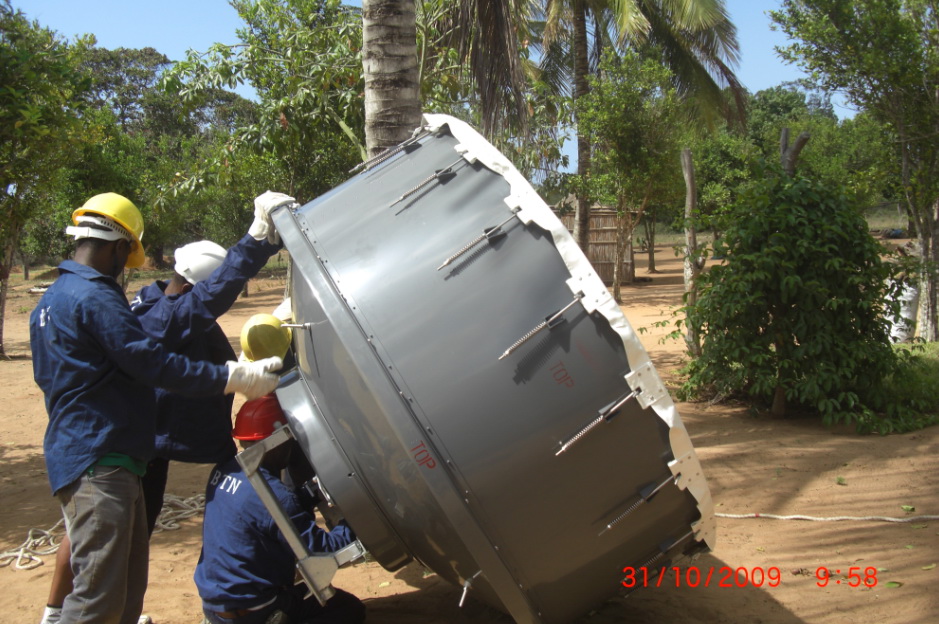
When your engineering contractor manages its own specialized fleet transportation and project site logistics natively, project milestones accelerate. Equipment arrivals align perfectly with site excavation schedules, eliminating idle labor costs and ensuring that structural foundations are ready precisely when heavy machinery or telecom steel towers land on-site.
3. Unified Safety and Accountability (HSE Standards)
Maintaining absolute Health, Safety, and Environment (HSE) protocols becomes extremely difficult when multiple subcontractors enforce varying safety cultures on a shared job site. A multidisciplinary team operates under a singular, uncompromising safety manual. This unified accountability ensures that strict PPE requirements, structural check-offs, and live electrical wiring safety barriers are monitored uniformly, drastically reducing site incidents.
4. A Single Point of Contact for Greater Transparency
For stakeholders and project developers, managing five different contractors means juggling five different invoices, five point-of-contact managers, and conflicting progress reports. An integrated engineering firm streamlines your oversight. You get one dedicated project manager, unified transparent progress reports, and reliable milestones that give you absolute clarity over the health of your asset investment.
Building for Tomorrow, Today
As Tanzania continues to rapidly scale its industrial capacity and commercial infrastructure, the demand for fast, efficient, and flawlessly executed construction is higher than ever. Choosing a partner that bridges the gaps between the physical structure, the electrical grid, and the telecommunications network isn’t just a convenient choice—it’s a strategic engineering advantage.
Hi, this is a comment.
To get started with moderating, editing, and deleting comments, please visit the Comments screen in the dashboard.
Commenter avatars come from Gravatar.